
Resources Available in Venezuela: A Wealth of Potential
Venezuela is a country of extraordinary natural wealth — from vast oil fields to rich mineral deposits and powerful rivers. Yet, despite this abundance, economic mismanagement, political instability, and infrastructure challenges have limited the full potential of these resources. Let’s take a deep dive into the key resources that define Venezuela’s economy and future prospects.
1. Oil — The Black Gold
Venezuela’s most famous and economically significant resource is oil. The country holds the largest proven crude oil reserves in the world, with estimates of around 300 billion barrels, accounting for roughly 17 % of global reserves.
Most of this crude is found in the Orinoco Oil Belt, an immense stretch of heavy and extra-heavy crude that requires advanced techniques to extract and refine.
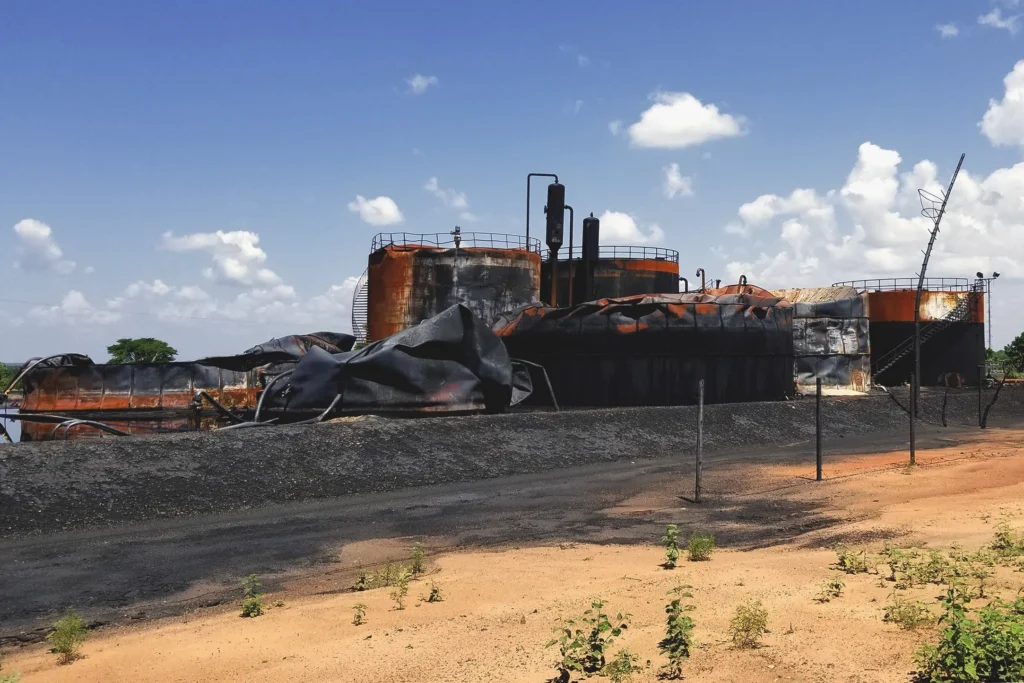
However, Venezuela’s oil industry faces serious hurdles. Although reserves are enormous, production has dropped dramatically — output now struggles to exceed about 1 million barrels per day, far below past peaks — due to aging infrastructure, lack of investment, and international sanctions.
2. Natural Gas — A Complementary Energy Source
Venezuela also ranks among the top countries worldwide in natural gas reserves. With approximately 195 trillion cubic feet, it sits in the top ten globally, providing another layer of energy wealth. Most natural gas reserves are associated with oil fields, and while production has lagged behind potential, this resource remains critical for future energy development.
Minerals and Metals — Beyond Hydrocarbons
Venezuela’s mineral sector is broad and diverse, though much of it remains underdeveloped:
Gold — The El Callao region and parts of the Orinoco Mining Arc hold significant gold deposits, with historical production and untapped potential.
Iron Ore — Large deposits in regions like the Guiana Highlands support current and potential steel industry growth.
Bauxite — A vital raw material for aluminum production, found in substantial quantities.
Diamonds and Other Minerals — Diamond fields in the Guiana Shield, plus smaller deposits of coal, nickel, titanium, copper, zinc, lead, and phosphate make Venezuela a resource-rich mining landscape.
While these resources could diversify the economy beyond oil, mining output currently contributes only a small fraction of GDP, partly due to investment gaps and regulatory issues.
4. Hydroelectric Power and Renewable Energy
Venezuela benefits from abundant water resources. A significant portion of the country’s electricity comes from hydroelectric plants, primarily the Guri Dam on the Caroní River — one of the world’s largest hydroelectric facilities.
This gives Venezuela an edge in renewable power, although outdated infrastructure and periodic outages highlight the need for upgrades and modernization.
5. Forests, Agriculture, and Biodiversity
Beyond extractive resources, Venezuela’s vast forests and fertile lands support agriculture, timber, and ecological wealth. With more than half of the land under forest cover, the country has rich biodiversity and significant forest resources.
Agriculture — once a leading economic sector before oil’s dominance — still contributes important exports like coffee, cocoa, and tropical fruits, and provides livelihoods for rural communities.
Challenges and the Road Ahead
Venezuela’s natural wealth is undeniable, but economic recovery will depend on more than just resources. To unlock its full potential, the country must address:
Infrastructure investment and technology for oil, gas, and mining
Political and economic stability that reassures foreign and domestic investors
Environmental and social governance to manage mining impacts and protect indigenous lands
Diversification of exports to reduce dependency on oil
This balance will be crucial as Venezuela seeks to transform its resource wealth into sustainable growth and prosperity.
Conclusion
Venezuela stands as one of the world’s richest countries in terms of natural resources. From the largest oil reserves and significant natural gas fields to valuable minerals and hydroelectric potential, the country’s wealth could fuel long-term development. Yet, decades of challenges mean that realizing this promise requires thoughtful policy, investment, and renewal.