Legendary Rivalries: How Classic Matchups Drive Sports Culture and Commerce
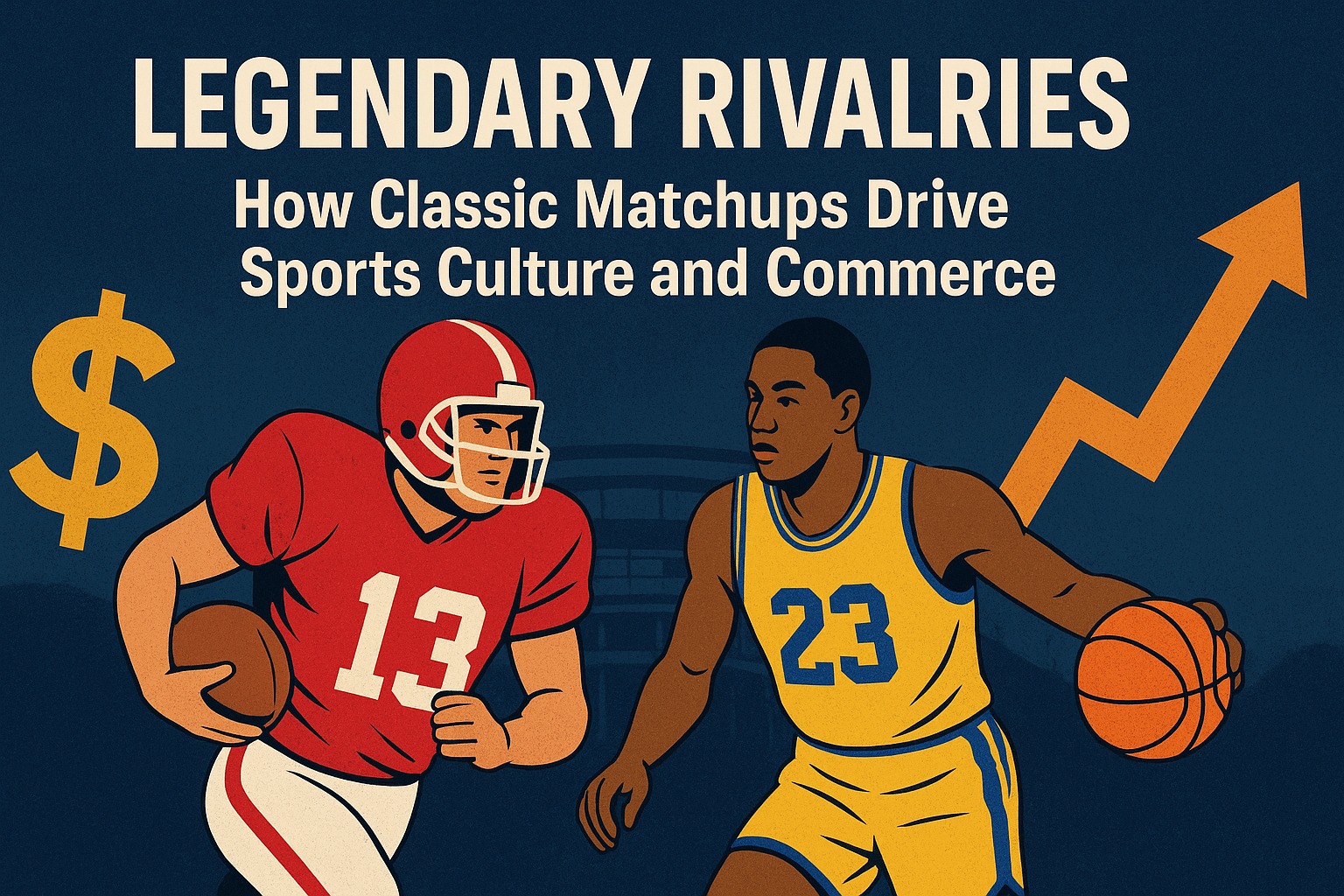
In the world of sports, rivalries are much more than battles on the field — they’re powerful engines that fuel fan passion, cultural identity, and even the business side of the game. From ticket sales and merchandise to broadcast ratings and sponsorships, classic rivalries shape sports culture both emotionally and economically.
Let’s explore how legendary matchups influence everything from local traditions to global sports markets, and why these rivalries are at the heart of sports’ worldwide appeal.
Rivalries Ignite Fan Passion — The Core of Sports Culture
Legendary rivalries tap into deep-rooted emotions and identity. When two teams or athletes clash repeatedly with history and pride on the line, it triggers fierce loyalty and engagement.
- Fans wear colors and symbols to declare allegiance.
- Cities and countries come alive with anticipation.
- Rivalries inspire chants, social media storms, and lifelong devotion.
This passion fuels sports culture by creating stories and memories that define generations.
Rivalries Drive Revenue — From Tickets to Global Broadcasts
Classic rivalries are goldmines for sports organizations and businesses.
- Ticket sales for rivalry games often sell out within minutes.
- Broadcast rights for these matchups command premium prices, attracting millions of viewers worldwide.
- Merchandise related to rivalry teams or iconic moments flies off shelves.
For example, the El Clásico between Real Madrid and Barcelona consistently draws one of the largest TV audiences in sports history — boosting sponsorship deals and global brand value.
Rivalries Expand Sports’ Global Footprint
In the age of globalization, rivalries help sports break into new markets.
- The NBA’s Celtics-Lakers rivalry attracted global fans and helped basketball’s international growth.
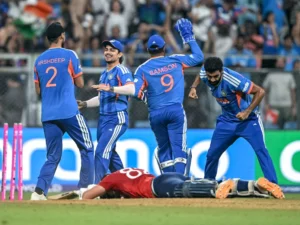
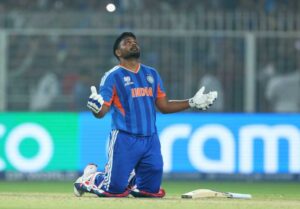
- Cricket’s India-Pakistan matches are watched by hundreds of millions beyond their home countries.
- Rivalries create narratives that media outlets package for worldwide consumption.
This global appeal turns local rivalries into international events — uniting fans across borders.
Rivalries Influence Player Legacies and Marketability
Athletes competing in legendary rivalries often become household names and brand ambassadors.
- Stellar performances in high-stakes rivalry games elevate careers.
- Players associated with iconic matchups attract endorsements and sponsorships.
- Rivalries foster storylines that media and fans latch onto, building athlete profiles.
Think of Michael Jordan vs. Isiah Thomas or Messi vs. Ronaldo — these rivalries made legends into global icons.
Rivalries Enhance Stadium Atmosphere and Community Engagement
Classic matchups turn stadiums into cauldrons of energy.
- Rivalry games often feature packed stands, vibrant fan displays, and unforgettable atmospheres.
- Local businesses thrive on game days, fueling community economies.
- Rivalries help build local pride and communal identity.
These factors make rivalries a key part of sports culture at both the grassroots and professional levels.
Rivalries Evolve — Keeping Sports Fresh and Relevant
While some rivalries are historic, others are newly minted but quickly gain traction.
- New superstars and changing leagues create fresh rivalries that capture fan interest.
- Media and social platforms amplify rivalry narratives in real time.
- Ongoing rivalries adapt with rule changes, player transfers, and global events.
This evolution keeps sports culture dynamic, connecting generations of fans.
Conclusion: Rivalries Are the Heart and Business of Sports
Legendary rivalries do more than shape the emotional landscape of sports — they drive the industry forward, fueling revenue, growth, and global engagement.
They connect fans, cities, and nations through shared passion. They make athletes into icons and games into spectacles. And they turn local traditions into worldwide phenomena.
In every corner of the sports world, rivalries remain the heartbeat of culture — and commerce.